What is the definition of Modern Art?
Modern art is a term that refers to the artistic movements that emerged between the late 19th and mid-20th centuries. It was driven by sweeping societal change: industrialisation, war, new scientific discoveries, and philosophical shifts that prioritised individual experience and the search for truth beyond tradition. Artists moved away from academic styles and focused instead on innovation, abstraction, and personal expression.
Rather than capturing the world as it appeared, modern artists explored how it felt. They experimented with form, colour, and technique. Their work was often emotional, political, and deeply original.
Modern Art examples – what is considered Modern Art?
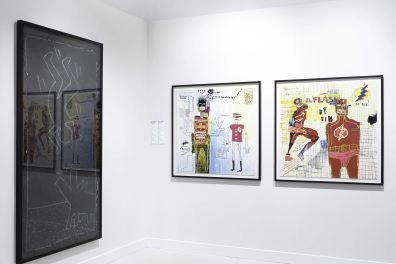
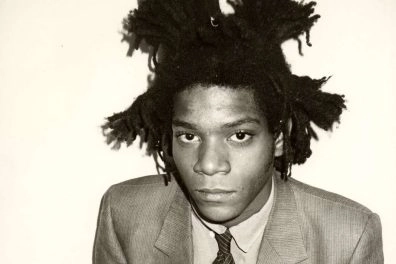
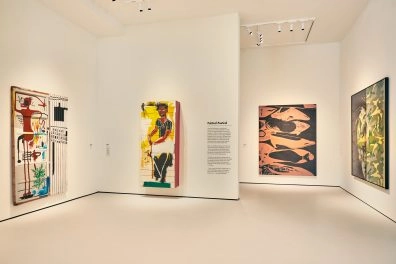
Modern art includes painting, sculpture, printmaking, collage, and mixed media. It’s not defined by a single style but by a shared commitment to innovation. At Moco Museum, the Modern Masters exhibition presents artists who helped shape the close of the modern period.
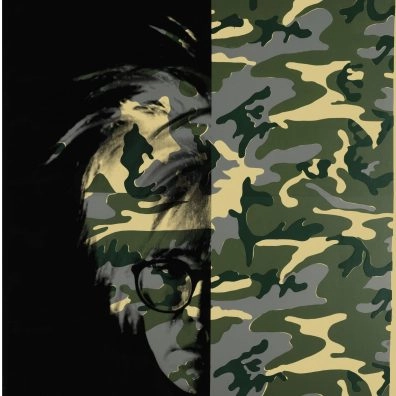
Andy Warhol used repetition and commercial imagery to question fame, mass production, and the role of the artist. Jean-Michel Basquiat layered text, symbols, and figures into raw, expressive paintings that tackled identity, power, and history. Keith Haring brought art into the streets, using bold lines and clear shapes to make public work that was both playful and political. Yayoi Kusama explored repetition, pattern, and space as a way to process her inner world, pushing the boundaries of modern art toward the immersive and psychological. Each artist worked at the edge of a movement, challenging expectations and shaping what modern art could become.
Their works reveal what modern art can be: emotional, critical, playful, and deeply human.
What is the history behind Modern Art?
From the 1860s to the 1960s, modern art developed through a succession of bold movements. Impressionists like Monet and Degas sought to capture light and immediacy, often painting scenes of everyday life with loosened brushwork and vivid colour. Their work marked a clear break from academic art and opened the door for more experimental approaches.
This spirit of innovation continued with the Cubists, including Picasso and Braque, who shattered traditional perspective and reassembled visual reality into angular forms. Surrealists like Dalí and Ernst drew inspiration from dreams and the unconscious, transforming personal imagination into strange, symbolic landscapes. Abstract Expressionists, led by artists such as Jackson Pollock and Mark Rothko, prioritised raw emotion and physical gesture, often creating monumental works that conveyed feeling more than form. By the 1960s, Pop Art emerged with figures like Andy Warhol and Roy Lichtenstein, who embraced commercial culture as both subject and medium.
Each shift reflected broader changes in how people lived and thought. Artists responded to urbanisation, world wars, and the spread of new technologies by pushing the boundaries of style and subject matter. These transformations allowed art to become more reflective of society’s complexity and more available to wider audiences. At Moco Museum, we highlight the final decades of this era, when modern art reached new levels of urgency, experimentation, and accessibility.
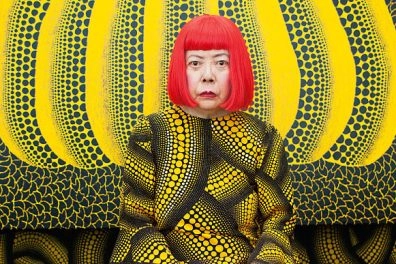
Modern Art artists
Discover Modern Art in one of the Moco Museums
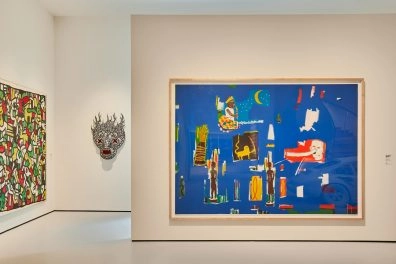
Curious to explore modern art up close? Moco Museum Amsterdam features a dedicated Modern Masters exhibition showcasing the work of Warhol, Haring, Basquiat, and Kusama. Each artist challenged expectations and helped reshape visual culture for the modern age.
Whether you visit Moco in Amsterdam, Barcelona, or London, Moco offers a museum experience that is bold, accessible, and unforgettable. Modern art isn’t just history. It is the foundation of everything that came after.
Book your visit to Moco Museum now!